A Sunday That Brought Karimunjawa Together
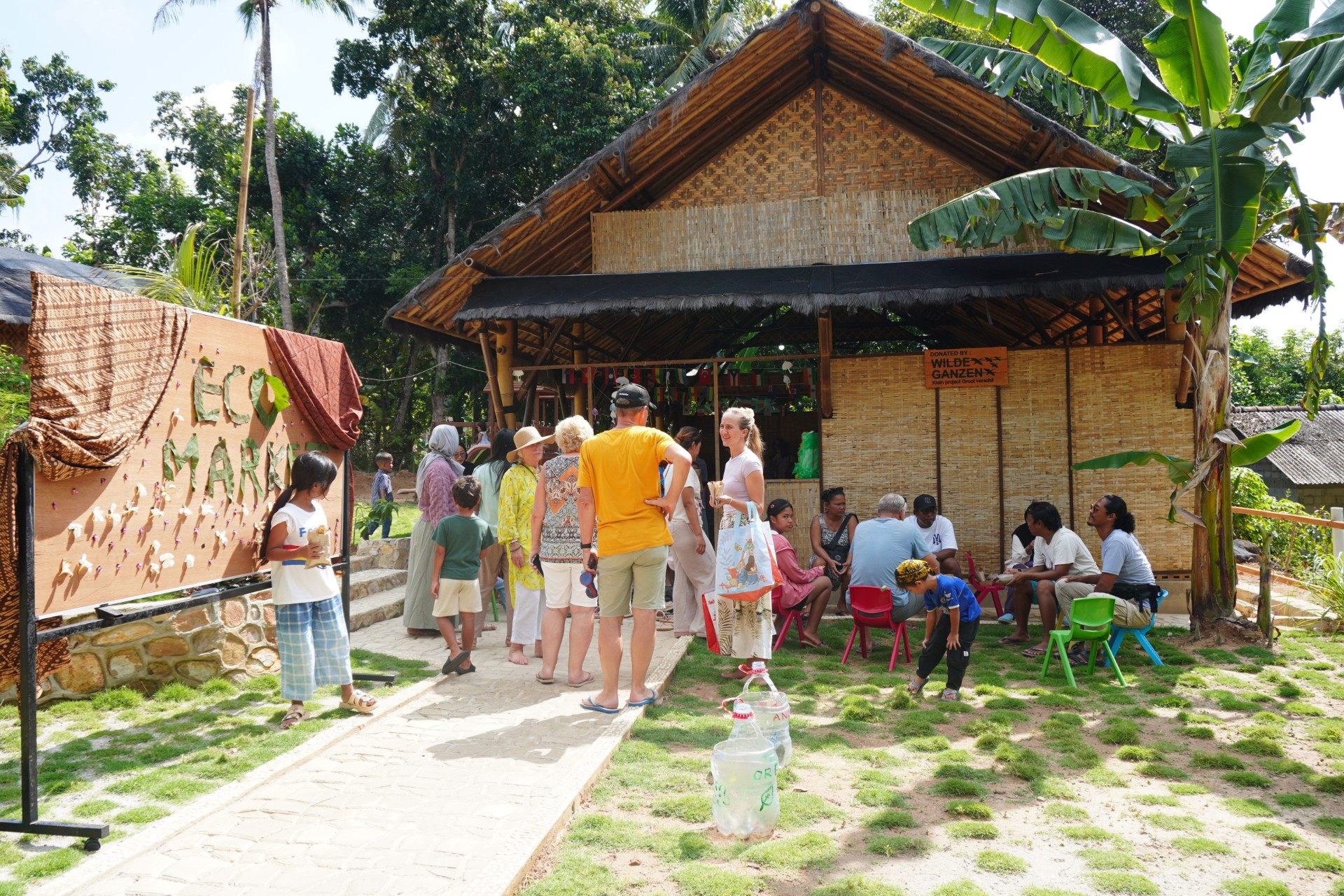
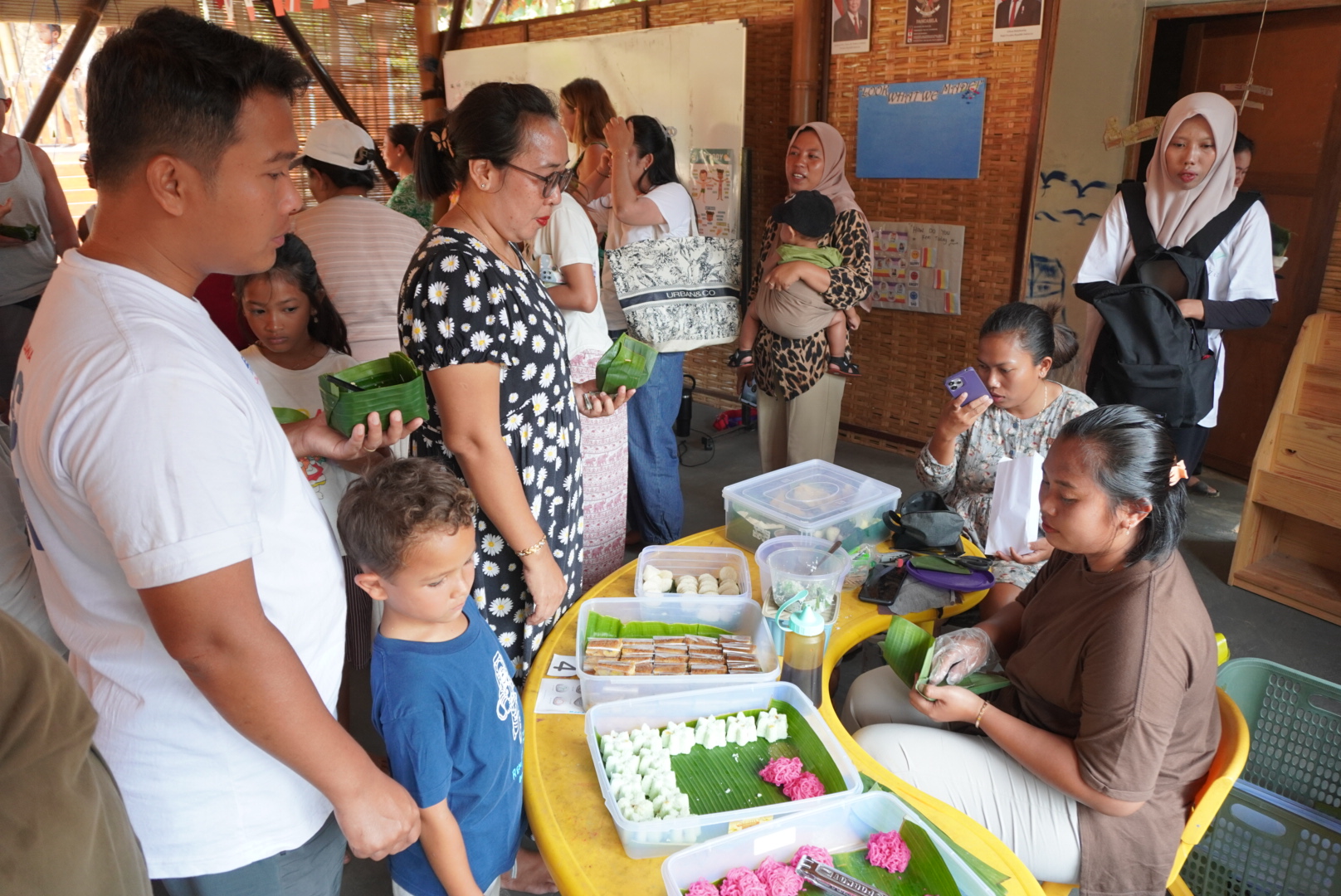
On Sunday, 11 October 2026, the grounds of Kejora filled early with the sounds of a community arriving: parents carrying baskets of home-cooked food, children pulling at sleeves, and neighbours greeting one another before the stalls had even properly opened. It was the second edition of Eco Market, Karimunjawa's first environmentally minded market, and it returned on a noticeably larger and livelier scale than its debut.
Eco Market #2 was officially opened by the Camat of Karimunjawa together with the PKK community of Karimunjawa. Their presence reflected the support of the subdistrict government and the local community for an event that brings the people of Karimunjawa together around family enterprise, education and care for the island's environment.
From nine o'clock, when the market opened, the enthusiasm was unmistakable. Within roughly the first two hours, much of the food and many of the preloved goods had already sold out. That response said something encouraging: there is room on this island for gatherings that connect people, support family businesses and introduce Kejora's work and values to the wider community.
A Market Led by the Kejora Community
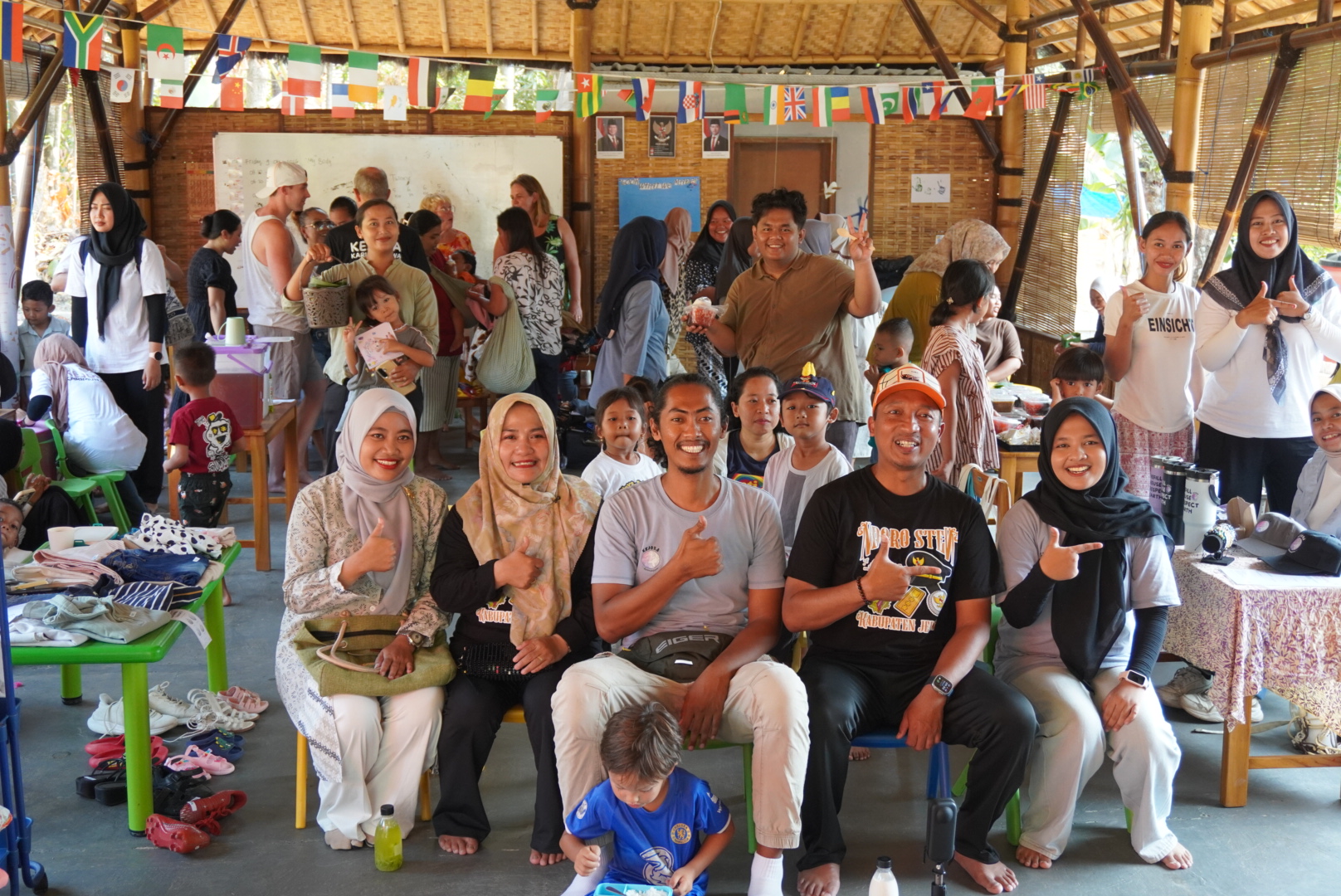
For this second edition, Kejora deliberately opened selling opportunities to the parents of its students. They arrived with Karimunjawa specialities prepared at home and with preloved belongings that were still perfectly usable, and they spent the morning doing what market sellers have always done: presenting their goods, talking with customers and taking pride in what they had to offer.
Giving parents this space matters. Eco Market became an opportunity for them to introduce their products, earn from their efforts, meet the community around the school and gain experience of running a small stall. The preloved stalls carried their own quiet lesson, too: items that one family no longer needed found new value in someone else's hands, inviting everyone to reconsider the worth of a thing before throwing it away.
A Different Way to Exchange Value
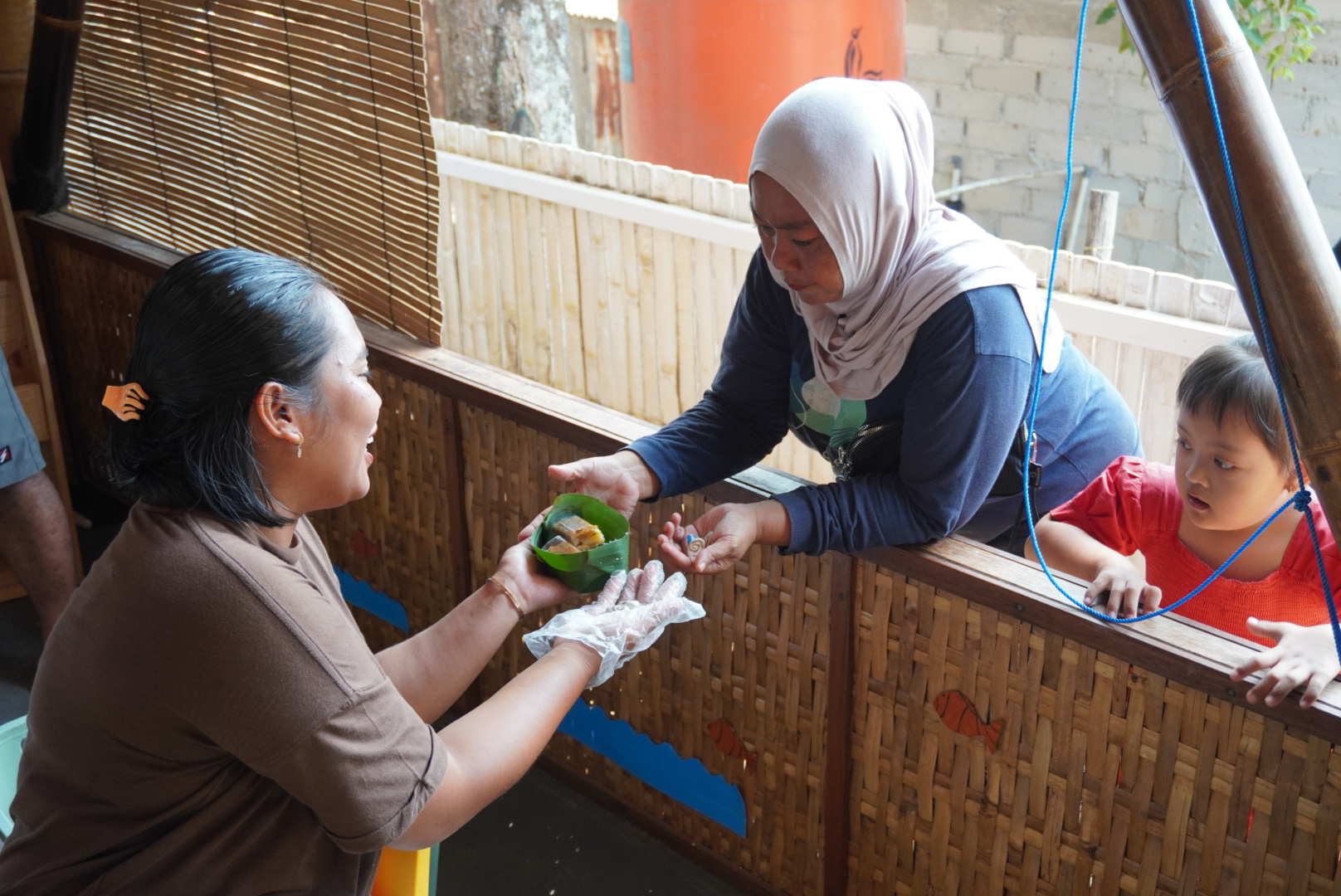
Eco Market #2 also traded in a way few markets do. Rather than paying directly with money, visitors first exchanged their cash for small stones painted in bright colours and patterns, which then served as the means of exchange across the stalls for the rest of the day.
The idea gave the market an identity of its own and turned every transaction into something more interactive and memorable. There was a symbolism in it as well: a simple object taken from nature, given new value through creativity, and used to build a shared experience. It was a gentle reminder that value does not always have to be represented by money.
More Than a Market
Eco Market was never intended to be only a place to buy food and second-hand goods. Families found small pleasures woven through the day, from a photobooth that captured the morning's memories to an Istana Balon, a balloon castle, that kept the youngest visitors happily occupied.
The Kejora Language School team joined in with a promotional booth of their own, where children could learn alongside KLS teachers — a chance to introduce Kejora's language programmes to the community face to face, and to give visiting children a taste of learning that felt like play. The Kejora library was open to everyone, too, so parents and neighbours could step inside, browse the shelves and read. Together, these touches widened the market's purpose: visitors did not simply shop and leave, but came to know the learning spaces Kejora has built.
That is the heart of it. Eco Market is designed as a meeting place for the community — somewhere parents, children, residents and visitors can interact in an easy, cheerful atmosphere. Through simple acts like shopping, chatting and supporting local sellers, people come to know Kejora better.
Making Every Small Choice More Sustainable
One of the market's central messages is environmental. Throughout the event, Kejora did not permit the use of plastic or single-use packaging, and visitors were encouraged to bring their own shopping bags from home.
These are small habits, but they are the kind that add up. Reducing single-use plastic and reusing what is still serviceable are both part of the effort to cut waste, and Eco Market holds the two ideas together: giving preloved goods a second life while asking everyone to leave less behind. Kejora does not claim the day produced no waste at all; the aim is to keep reducing it and encourage more responsible habits, one market at a time.
A Learning Space for Children
For Kejora's children, the market doubled as a classroom without walls. Watching the stalls at work, they could see buying and selling happen in real life: how a seller offers a product, how a buyer chooses, and how an exchange is agreed.
They also encountered environmental care through real examples rather than instructions — less plastic, bags brought from home, and the discovery that something one person no longer uses can still be useful to someone else. Learning does not only happen at a desk; a Sunday market turned out to be a rather good teacher.
A Shared Contribution to Better Education
Eco Market also connects back to Kejora's educational mission, though in a considered way. The proceeds of the day did not automatically become a donation. Afterwards, each parent discussed their earnings and decided for themselves whether to contribute all or part of it to Kejora.
Many parents chose to give their proceeds to support the foundation's education programmes, and the funds raised are planned to support Kejora's upcoming school projects. That choice is what makes their participation so meaningful: the parents were not only sellers for a day, but partners who contributed to their children's education through their own decisions and generosity.
Growing Together, One Market at a Time
Kejora intends to hold Eco Market regularly each year and to keep developing it. The market is one of the ways the foundation introduces itself to the people of Karimunjawa, builds relationships with its neighbours and shares its vision and mission beyond the school gates.
More than that, Kejora hopes to invite the community to slowly build a shared awareness: of caring for nature, of using things responsibly, and of supporting education and the local community. Change does not have to begin with something grand — small habits and the involvement of many people can be the start of something much wider, and the next Eco Market will keep growing together with Karimunjawa.
See the Highlights of Eco Market #2 — take a look at the moments, people and activities that made our second Eco Market such a memorable day.
About Kejora Foundation
Kejora Foundation is a community-based nonprofit organisation working to improve education, child development and environmental awareness in Karimunjawa. Through nature-based learning, community engagement and collaborative programmes, Kejora strives to create lasting opportunities for children and families while supporting sustainable development across the islands.